Back GarageComments Off on How to Lubricate Noisy Garage Door: A Step-by-Step Guide
Is your garage door making unwanted noise? Learning how to lubricate your noisy garage door can help it operate quietly and last longer. In this comprehensive guide, we will walk you through the essential steps to effectively lubricate your garage door and keep it running smoothly. Table of Contents Introduction to Garage Door Maintenance Maintaining […]
Is your garage door making unwanted noise? Learning how to lubricate your noisy garage door can help it operate quietly and last longer. In this comprehensive guide, we will walk you through the essential steps to effectively lubricate your garage door and keep it running smoothly. Table of Contents Introduction to Garage Door Maintenance Maintaining […]
We have spent some considerable time in our previous articles to look at the pros and cons of DIY when engaged in home improvement projects. The jury is still out on this as it’s down to a home owner’s preference. We have however decided to make the decision much easier for home owners by looking […]
Inour previous article we looked at the benefits of DIY home improvement projects. In as much as we noted it being a noble idea, it’s only prudent if we mention some of the disadvantages. This will help you weigh the pros and cons in order to help you make a more informed decision on whether […]
The task of home improvement can get a bit expensive especially if you have to hire a contractor to take care of the project. This is where being able to do it yourself comes in handy because it enables you bring down some of these costs. This is especially applicable to small tasks that you […]
When you have made the decision to embark on a home improvement project and you have realized that its extensive work that will require a contractor, then you must ensure you go for a good one as this is the only way you are guaranteed of a job well done. This is especially important if […]
How to Lubricate Noisy Garage Door: A Step-by-Step Guide
Back GarageComments Off on How to Lubricate Noisy Garage Door: A Step-by-Step Guide
Is your garage door making unwanted noise? Learning how to lubricate your noisy garage door can help it operate quietly and last longer. In this comprehensive guide, we will walk you through the essential steps to effectively lubricate your garage door and keep it running smoothly.
Maintaining your garage door is essential for its longevity and performance. Regular maintenance can prevent costly repairs and extend the life of the door and its components. A well-maintained garage door operates smoothly, reduces noise, and enhances the overall aesthetic of your home.
Understanding the key areas that require attention will help you keep your garage door in top shape. This includes lubricating moving parts, cleaning dirt and debris, and checking for any signs of wear and tear.
Understanding Different Lubricants
Choosing the right lubricant is crucial for effective garage door maintenance. Common options include WD-40, lithium grease, and silicone-based lubricants. Each has its specific use and benefits.
WD-40: While it’s often used for various household tasks, it primarily acts as a degreaser rather than a true lubricant. It’s effective for cleaning but not ideal for long-term lubrication.
Lithium Grease: This is a thicker lubricant that is great for heavy-duty applications. It can provide a long-lasting barrier against moisture and rust.
Silicone-based Lubricants: These are preferable for garage doors as they penetrate well and provide excellent lubrication without attracting dirt and dust.
For optimal results, select a lubricant that best fits the needs of your garage door components.
Essential Tools and Materials Needed
Before starting the maintenance process, gather the necessary tools and materials. This will streamline your work and ensure you have everything at hand.
Lubricant: Choose a quality silicone-based lubricant, lithium grease, or WD-40 for cleaning.
Shop Rags or Paper Towels: These will be useful for cleaning and wiping off excess lubricant.
Ladder: Depending on your garage door height, a ladder may be needed to reach higher components.
Brush or Cloth: Use these for cleaning dirt and dust from rollers and hinges.
Before and After Sound Check
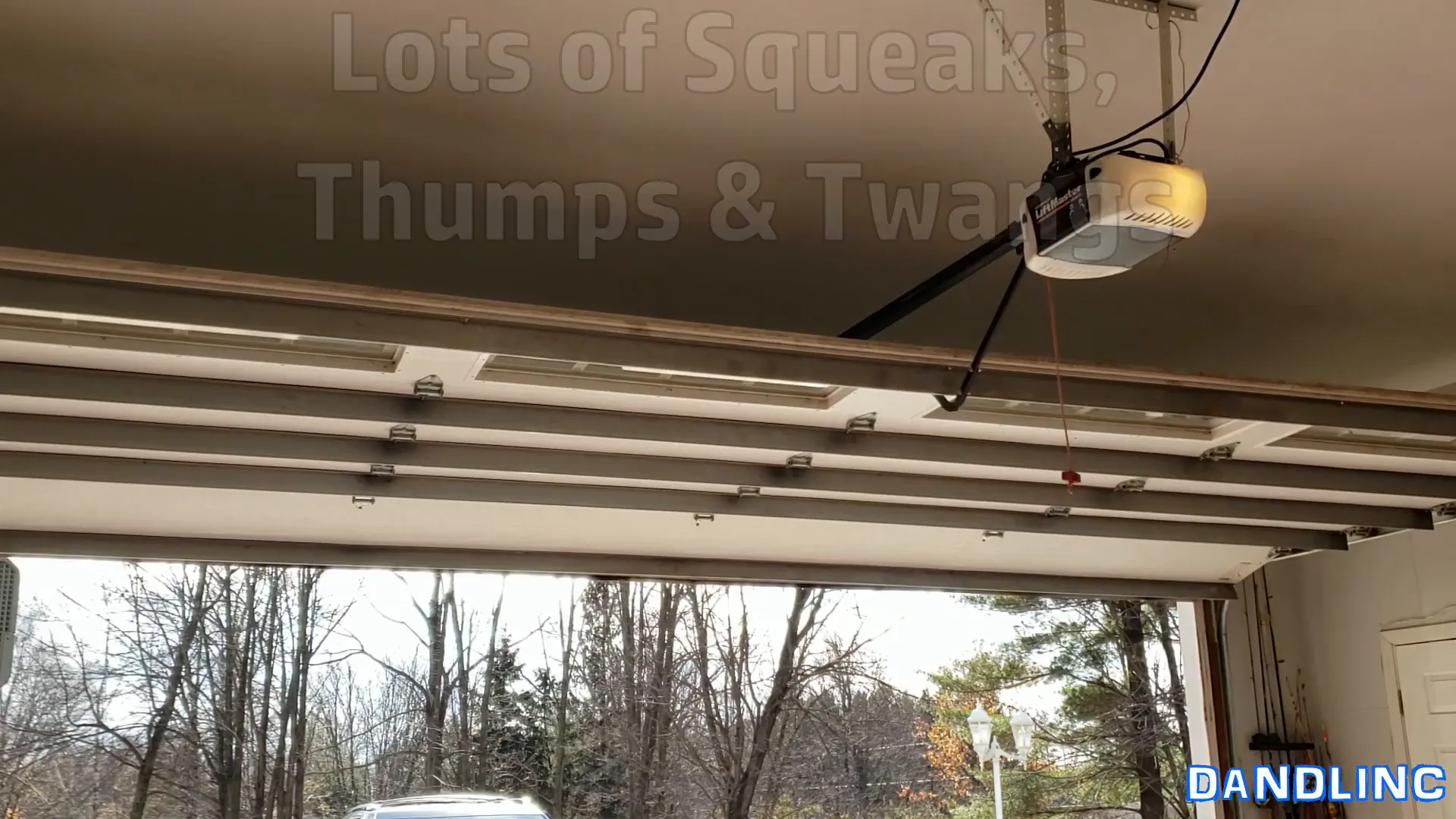
Conducting a sound check before and after lubricating your garage door can help you gauge the effectiveness of your maintenance efforts. Start by opening and closing the door while paying attention to any squeaks, thumps, or resistance. This will establish a baseline for the noise level.
After completing the lubrication process, perform the same sound check. You should notice a significant reduction in noise, indicating that the lubricants have penetrated the necessary components and improved the door’s operation.
Lubricating the Door Hinges
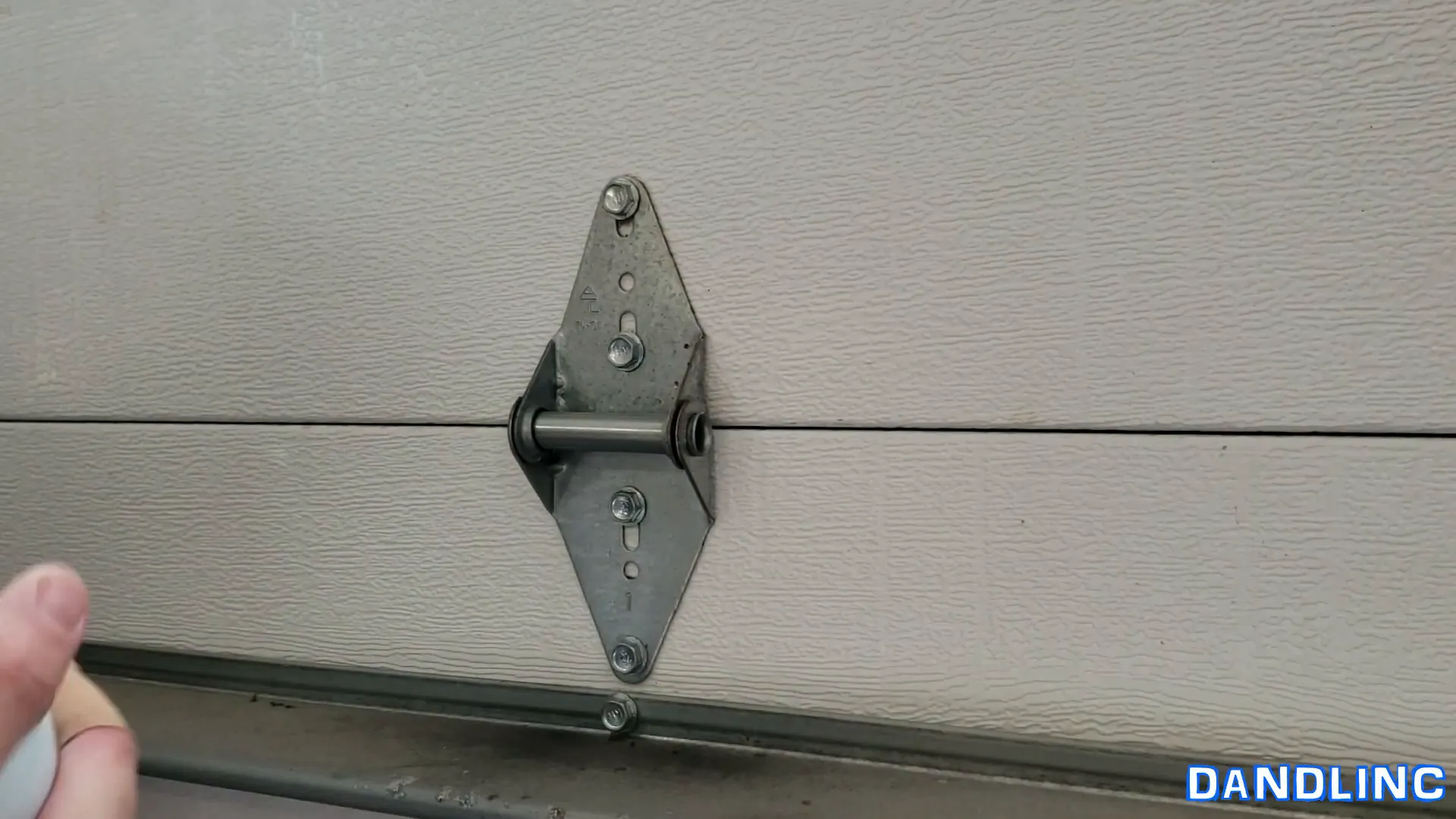
The hinges of your garage door are vital for its smooth operation. These components are prone to wear and tear due to the constant motion of the door. To lubricate the hinges effectively, follow these steps:
Identify all hinge points on the door.
Using your silicone-based lubricant, spray each hinge thoroughly.
Wipe away any excess lubricant with a shop rag to prevent dirt accumulation.
Properly lubricating the door hinges will minimize friction and noise, allowing for a quieter operation.
Cleaning and Lubricating the Rollers
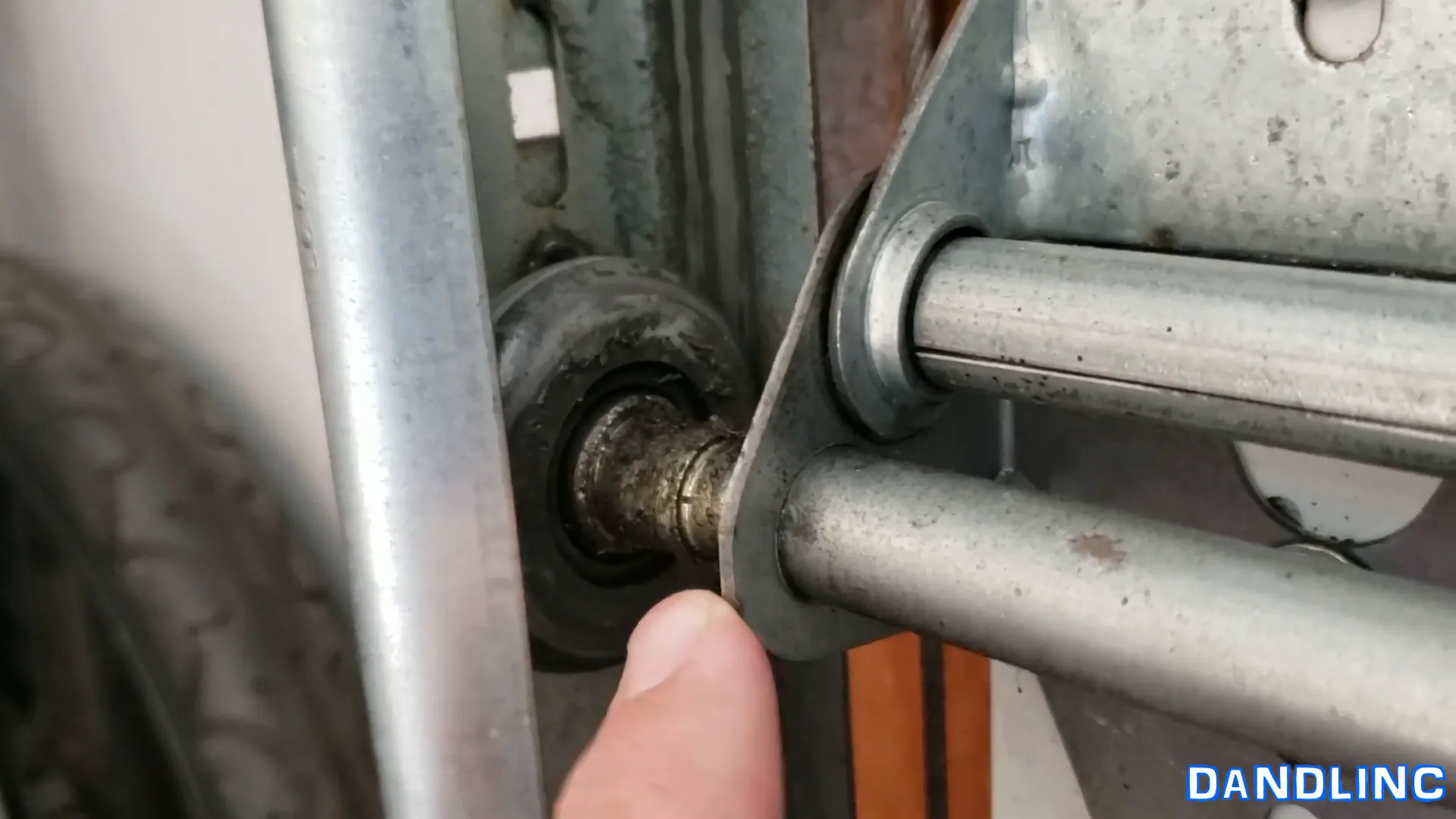
Rollers play a significant role in guiding the door along its track. Over time, they can accumulate dirt and grime, which can hinder their performance. Cleaning and lubricating the rollers is essential for optimal door operation.
Begin by inspecting each roller for dirt and debris.
Using a cloth, wipe down the rollers to remove any buildup.
Once cleaned, apply silicone lubricant to the bearings of each roller.
Ensure to lubricate the metal-on-metal contact points for optimal performance.
Regular maintenance of the rollers will enhance the garage door’s functionality and reduce noise significantly.
Greasing the Pulleys
Pulleys are crucial components of your garage door system, allowing for smooth operation as the door opens and closes. To ensure they function effectively, apply lubricant to the pulleys where metal meets metal.
Locate the pulleys at the top of the door, near the torsion springs.
Using a silicone-based lubricant, spray the bearing area of each pulley.
Wipe away any excess lubricant to prevent dirt buildup.
Regular lubrication of the pulleys will help reduce noise and wear, ensuring that your garage door operates quietly and efficiently.
Applying Lubricant to the Torsion Springs
Torsion springs are essential for raising and lowering the garage door. Over time, these springs can rust or become noisy due to metal-on-metal contact. Here’s how to apply lubricant effectively:
Position a ladder beneath the torsion springs for easy access.
Using a silicone garage door lubricant, spray a light coating along the length of each spring.
Ensure to cover all areas, wiping any excess with a rag to avoid overspray on surrounding surfaces.
This maintenance step not only minimizes noise but also extends the life of the springs, preventing premature wear and tear.
Maintaining the Garage Door Rail
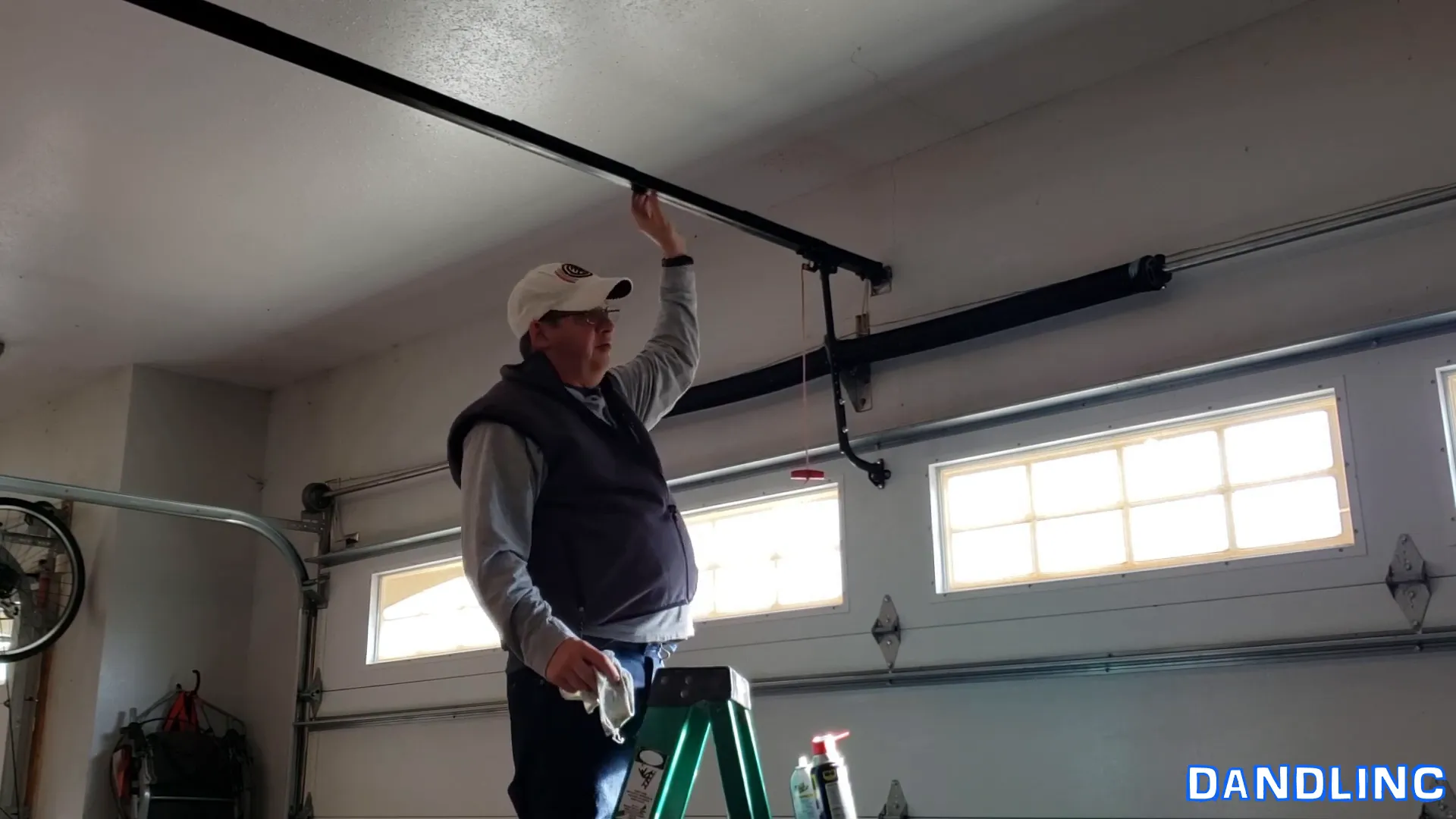
The garage door rail is where the door’s trolley travels. Keeping this area clean and lubricated is vital for smooth operation. Here’s how to maintain it:
Inspect the rail for any dirt or debris that may have accumulated.
Using a cloth, wipe down the top of the rail to remove any buildup.
Apply silicone lubricant along the top of the rail, where the trolley makes contact.
By maintaining the rail, you ensure that the garage door moves smoothly, reducing operational noise and wear on the system.
Final Touches and Testing the Garage Door
Once all components have been lubricated, it’s time for the final touches. Check all areas to ensure no excess lubricant is present, which could attract dirt. After that, conduct a test:
Open and close the garage door a few times to allow the lubricants to distribute evenly.
Listen for any residual noises that may indicate areas that need more attention.
Repeat the lubrication process on any areas that still produce noise.
This testing phase is critical to confirm that your efforts have successfully quieted down the garage door.
Conclusion and Benefits of Regular Maintenance
Regular maintenance of your garage door, including lubricating noisy components, is essential for its longevity and performance. By following these steps, you not only ensure a quieter operation but also reduce the risk of costly repairs in the future.
Benefits of regular garage door maintenance include:
Extended Lifespan: Proper lubrication can significantly extend the life of your garage door components.
Improved Safety: A well-maintained door operates smoothly, reducing the risk of accidents.
Cost Efficiency: Preventative maintenance is often less expensive than repairs caused by neglect.
Investing a little time in maintaining your garage door pays off in the long run.
Frequently Asked Questions
How often should I lubricate my garage door?
It’s recommended to lubricate your garage door every six months to keep it running smoothly. However, if you notice increased noise or resistance, check and lubricate more frequently.
Can I use any type of lubricant on my garage door?
Avoid using WD-40 as a primary lubricant, as it is mainly a degreaser. Instead, opt for silicone-based lubricants for the best results.
What if my garage door continues to make noise after lubrication?
If noise persists, inspect for any damaged components or consult a professional for further evaluation. Some issues may require replacement parts rather than lubrication.
Back GarageComments Off on The 5 main benefits of hiring a contractor
We have spent some considerable time in our previous articles to look at the pros and cons of DIY when engaged in home improvement projects. The jury is still out on this as it’s down to a home owner’s preference. We have however decided to make the decision much easier for home owners by looking at the benefits of hiring a contractor.
Here are the 5 main benefits of hiring a contractor.
The contractor is knowledgeable in the subject area
A contractor will essentially offer you the full service regardless of the scope of work involved. From simple repairs, to design to construction, it’s the work of the contractor to take care of all that. They will often come with a team of subcontractors specializing in the different aspects of the task at hand and they will coordinate all this work to ensure your project is completed on time and excellent quality standards are maintained.
A contractor will help you actualize abstract concepts
In many cases, you as the client may have an idea in your head that is abstract and you can’t put it in a way that can be easily understood. It’s the work of the contractor to work with you to make sense of your idea and actualize it. It’s their work to ensure your idea is structurally sound and practical.
A contractor has insurance
Generally, a construction site has many health hazards. It’s therefore important for the people working in the site to have some form of insurance cover against these hazards that they are exposed to. When you are involved in a home improvement project, your home essentially becomes a construction site and it’s therefore important to ensure everyone on your site is insured. The beauty about working with contractors is that they come with their own insurance cover therefore they become responsible for themselves as well as their subcontractors for the entire duration of the project.
A contractor will get the job done much faster
Provided you have done your due diligence and brought in the right contractor to do the job, you can be guaranteed that they will do it within the timelines you have agreed on, and this is usually a relatively short timeline depending on the scope of the work. If you were to this work yourself, you are likely to take more than four times the time and still not achieve the same quality.
A contractor has the requisite licenses
Before you engage in any home improvement work you must first find out the licenses that you will require and this is dependent on the state you are in. The benefit of working with contractors is that they have all the requisite licenses and if there are special permits required for a job, they will know where to get them as this will be part of their responsibility. This ultimately saves you the hustle of having to look for them on your own.
We trust that these have been really helpful insights.
We would love to hear your own home improvement tips.
The 3 main disadvantages of DIY home improvement projects
Back GarageComments Off on The 3 main disadvantages of DIY home improvement projects
Inour previous article we looked at the benefits of DIY home improvement projects. In as much as we noted it being a noble idea, it’s only prudent if we mention some of the disadvantages. This will help you weigh the pros and cons in order to help you make a more informed decision on whether it’s something you should opt for.
Here are the 3 main disadvantages of DIY home improvement projects.
It may ultimately end up being expensive
DIY has been touted as a good way of cutting down your costs when embarking on a home improvement project. This is however an incorrect assumption because the statement is made based on the assumption that you will be good at performing the various tasks that a professional would have done for you. The truth of the matter is that if you end up messing up the work, you will end up spending more because you will need to hire a professional to correct your mistakes as well as purchase new material because you wasted the first batch. Before you think that DIY is a cheaper option, think of this fact first. Only engage in a DIY project when you have a good mastery of the skills required.
It can become time consuming
In order to engage in a DIY home improvement project, you first need to take time to learn the skill and then have enough practice, learn about the material involved, and then implement whatever you have learnt in your project. This only works if your home improvement work is not time sensitive. A professional contractor would have taken less than a third of the time you will spend because they already possess the requisite knowledge. It’s therefore up to you to determine whether you are willing to compromise your time to save money. Worst case scenario, you may end up losing both.
Poor quality of work
The fact of the matter is that if you are not a professional, the probability is high that the quality of your work will definitely not match that of a professional and in most cases may end up being poor quality work. Turning to a professional who has plenty of experience doing the job would have been a better option. It’s therefore upon you whether you are willing to compromise on quality of the work to save money.
All in all, there is a reason every industry has professionals and therefore it would be unwise to assume you can do a professional’s job on your own and still do it in the same standards of quality. Whereas DIY is encouraged, it must also be limited to the scope of work involved. Alternatively, you can train as a professional to strengthen the quality of your work.
We trust that these have been really helpful insights.
We would love to hear your own home improvement tips.
Back GarageComments Off on 5 benefits of DIY home improvement projects
The task of home improvement can get a bit expensive especially if you have to hire a contractor to take care of the project. This is where being able to do it yourself comes in handy because it enables you bring down some of these costs. This is especially applicable to small tasks that you can quickly learn and embark on doing.
We are going to look at 5 benefits of DIY home improvement projects.
DIY reduces your costs
When you do your home improvement project on your own, you not only cut down on your labor costs, you also get to understand the factors that make the product or service costs high hence use this knowledge to bring them down. For instance, many contractors will opt to use high end products yet there is a low end product that actually provides the same service and is cheaper.
DIY is fun and it helps you acquire new skills
One of the most satisfying experiences is standing in the middle of a room you remodeled on your own. This helps you build fond memories of your home as you will always recall how the remodeling process was fun and the fact that you acquired a new skill set that will definitely come in handy down the line.
DIY helps you network
When engaged in a DIY home improvement projects, it will give you an opportunity to network and make new friends as you are engaged in the learning phase both online and offline. Whether you are visiting different hardware shops or participating in different online forums or attending classes, you will get to meet someone new who will add value to your life.
DIY can give you an income generating skill
What can start as a simple home improvement project may end up becoming a huge income generating opportunity for you. As you engage in your home improvement you may acquire a set of skills which someone else may be more than willing to pay well for and this will end up becoming a good source of income for you either as a side hustle or fulltime depending on your preference.
DIY can give you skills you can use post retirement
Many people especially those in white collar jobs retire not having any other skills that they can apply to earn incomes. DIY projects are a good solution for this. Being involved in your own home improvement projects will help you learn and perfect skills that you can apply long after you retire from formal employment.
We trust that these have been really helpful insights.
We would love to hear your own home improvement tips.
Back GarageComments Off on The 5 top qualities of a good contractor
When you have made the decision to embark on a home improvement project and you have realized that its extensive work that will require a contractor, then you must ensure you go for a good one as this is the only way you are guaranteed of a job well done. This is especially important if you have never worked with a reputable contractor before.
Here are the top 5 qualities you must look for to determine a good contractor.
1 The contractor’s level of experience
Because the task of home improvement is very extensive and will require a wide range of expertise in construction, it’s important to ensure that the contractor you select for the job is well experienced in the field of construction all the way from designing to basic repairs. An example would be O’Sullivan Installs in Billerica MA. A contractor who understands how to do the job himself/herself is much more likely lead his team in doing a good job. Do your due diligence to verify their level of experience.
2 The contractor’s reputation
A contractor’s reputation will be built by the quality of their work. Reputable contractors will have very many recommendations from previous clients who will have plenty of good to say about their work. On the other hand, questionable contractors will either have bad reviews or no reviews at all. Be sure to ask previous clients they have worked with and also look for online reviews.
3 The contractor’sintegrity
A contractor with integrity is one who respects his/her profession as well as the client. They will not charge rates that are not commensurate to the job being done and they will strive to accomplish all the agreed deliverables within the agreed timelines. In the event they make mistakes, they will always own up to them and provide solutions as quickly as possible. As you are doing your due diligence, be sure to ask former clients about the contractor’s integrity.
4 The contractor must beflexible
Most construction work may be altered by unforeseen circumstances which may require changes in timelines as well as schedules. A good contractor is one who fully understands this and will be willing to adjust. This is where flexibility is key and this will apply to their skills as well as ability to adjust their schedules. A good contractor should be willing to go the extra mile to complete your project whether it involves working weekends, extra hours or evenings.
5 The contractor must be a good listener
During a home improvement project, the voice of the client is supreme. In as much as the contractor is the one with the skills, they must first listen to what the client wants then figure out how to use their skills to meet the client’s requirements. A contractor who is not a good listener may end up missing out a number of instructions and mess up a part of the job. As part of your interviewing process, be sure to test how much of a good listener the contractor is.
We trust that these have been really helpful insights.
We would love to hear your own home improvement tips.
Back GarageComments Off on 5 home objects you must always remember to clean
One of the main components of home improvement is cleanliness. Regardless of the amount of money you spend on refurbishing your home, as long as you don’t clean, your home will never be appealing. This is especially important if you intend to show your house to potential home buyers as you wouldn’t want them to get turned off by a filthy home.
Here are 5 objects in your home that you must always remember to clean not only because they have the potential to accumulate harmful bacteria but also because cleanliness is a virtue.
Your kitchen handles
When in the kitchen, we handle so many organic materials from the food to the cooking oils we use. Most of us will end up touching various kitchen handles from the refrigerator door to the cooker handle and even the cabinet handles without washing our hands. The organic materials will then stick to these handles and become a breeding ground for bacteria. It’s therefore important to include kitchen handles in our cleaning routines.
Your toothbrush holder
Considering the fact that you use your toothbrush to clean bacteria from your mouth, it’s a no brainer that your toothbrush holder needs frequent cleaning yet many of us forget. Make it a habit to clean the holder as well as the toothbrushes at least once a week to avoid it forming scum and becoming a breeding ground for bacteria.
Your light switches
The moment we get into the house in the evening, the light switch is probably the first thing we touch with our sweaty or grimy hands every day, and we never remember to clean them when doing general cleaning. This has madethem a breeding ground for bacteria and if you look keenly, you may notice some scum. It’s therefore a good practice to include light switches in our cleaning routines.
Your place mats
We love our place mats because they help protect our wood finishes, glass or ceramic finishes from stains. The interesting thing however is that many people will not remember to clean the place mat. Depending on the type of place mat you are using, you should make it a habit to clean it at least once a week if nothing spilled on it and immediately if something has spilled on it.
Your reusable shopping bags
We all love our reusable shopping bags. After all, it’s the little we can do to play our part in protecting our environment. Most of us however never remember to clean these bags in spite of us using them to carry all sorts of organic food items as well as other material. Our bags have therefore become a breeding ground for bacteria and mold. It’s advisable to form the habit of cleaning these bags after use.
We trust that these have been really helpful insights.
We would love to hear your own home improvement tips.
Home Improvement – 3 investments that will increase the value of your home
Back GarageComments Off on Home Improvement – 3 investments that will increase the value of your home
If you are planning on quickly improving on the resale value of your home, there are 3 investments you can go for that will help you sell your home much faster at the same time guarantee a return on your investment. The idea is to ensure that this home improvement project is done very professionally in order for it to have the desired effect.
Let’s take a look at 3 investments in home improvement that will help increase the value of your home.
#1 Invest in solar energy
Solar energy is considered an investment because the installation cost may be high but ultimately it will end up saving a home owner plenty of money on energy bills. You can set up a solar water heater, outdoor lighting that relies on solar power, and many more, your options are not limited. Not only will this cut down on your home utility costs as you wait for a buyer for your home but it will also become a key selling point as you pitch your home to potential buyers. Every buyer who if fully aware about the financial realities of home ownership will appreciate the value of a home that guarantees a reduction in their home maintenance costs and will be willing to pay extra for it.
#2 Invest in a good exterior paint job
The main feature that makes a house stand out is the type of paint job that has been done on it. Painting is usually one of the first things you do to improve the curb appeal of your home therefore attracting more prospective home buyers. A good paint job helps preserve as well as protect the home’s exterior siding, and does wonders in making it stand out. It’s therefore very important to work with a professional to choose the best colors. A house that looks new and vibrant creates the impression that it has been well maintained and this helps in improving its value in the market.
#3 Prioritize your kitchen remodels
Research as well as market trends in home ownership have shown that the kitchen is the part of the house you must prioritize when doing home improvement. Modern homes today are emphasizing on large and open kitchens with high-end finishes as the market standard. If you intend to increase the value of your home and make it stand out, then investing in remodeling your kitchen is a no brainer. Do your research on the current designs and engage a reputable contractor to upgrade your kitchen. This will be a worthwhile investment.
We trust that these have been really helpful insights.
We would love to hear your own home improvement tips.
Your guide on how to solve conflicts with your contractor
Back GarageComments Off on Your guide on how to solve conflicts with your contractor
Home improvement is a pressure filled task that is bound to result in one form of conflict or another between a contractor and a home owner. Such conflicts have been known to stall projects resulting in financial losses to both parties. However, it’s important to know that conflict is perfectly normal and should not be a reason for stalled projects. You just need to know how to deal with it when it arises.
Here’s your ultimate guide on how to deal with emerging conflicts between you and your contractor.
Clearly define the issue
The very first step in successfully addressing a conflict is being clear on what the issue is. Most conflicts will unnecessarily escalate simply because both parties have not clearly explained what the issue is. It’s necessary for both parties to lay down the facts before any discussions can commence.
Bring in a third party who must be neutral
In many occasions, two parties who are in conflict will not be willing to acknowledge their mistakes to each other, and this can be deliberate or indeliberate. It’s therefore necessary to have a third party in the conflict resolution process who is neutral, who’s task it will be to clarify the viewpoints of both parties to create better understanding. In such an environment, both parties are more likely to see their errors and even admit them.
Work only with facts
One of the main reasons for conflicts degenerating is when parties move away from the facts and focus on their personal views and opinions of each other. It’s important that during the conflict resolution process, both parties stick to the facts and the facts alone. This is the only way the conflict can be resolved amicably.
Learn to listen
The only way that parties involved in a conflict will be able to resolve it is by listening to each other’s point of view and working towards getting to a middle ground. Turning the discussion into a debate or a shouting contest will only worsen the conflict as opposed to help in resolving it. Listening may even help avoid the conflict altogether.
Try to avoid assigning blame
As part of the conflict resolution process, you must try to avoid assigning blame. If t has been established that one of the parties is at fault, it’s better to acknowledge the problem and focus on a solution to the problem as opposed to focusing on assigning blame. The party responsible for the problem will be more willing to handle their mess as long as it doesn’t seem as though their back is against the wall.
Review the terms of the contract
In many occasions, the contract was agreed between the parties involved in the conflict will itself offer a way forward in the event of certain eventualities. It’s therefore necessary to go back to the contract and see what its states. In the event the contract did not foresee such an occurrence then this will be a good opportunity to have it relooked so as to cater for such unforeseen circumstances.
We trust that these have been really helpful insights.
We would love to hear your own home improvement tips.
Home Improvement – Things to consider before calling a professional
Back GarageComments Off on Home Improvement – Things to consider before calling a professional
Home improvement can be a daunting task depending on the scope of work that needs to be done, and this will be determined by whether the improvements you want to make are aesthetic or functional. If its minor work you can definitely do it yourself however there are tasks that will require a professional.
Considering that professionals don’t come cheap, you must ensure that you have done your due diligence before bringing in one to help you with your project.
Here are a couple of things you must consider before deciding to spend money on a professional for your home improvement project.
You must know what your long term plan is
It’s important to know whether you intend on settling in this home on a long term basis or whether you’re just flipping it as this will determine the type of home improvements you make and whether it makes financial sense to get a contractor to do the work.
You need to be very self-aware
Home improvement will be messy, this is a fact. Before getting a contractor to embark on the task of remodeling your home, you must establish whether you will be okay with this disruption to your life. You will have a bunch of strangers moving about your home, disrupting your movement and furniture, disrupting your family’s comfort and so on, and therefore this is likely to be a very pressure-filled period. It’s important for you to know whether you and your family will be able to handle this pressure.
You must know the value of your home
Before engaging a contractor to make home improvements, you must first be aware of the current value of your home and how it compares to others in your neighborhood. This will help you in doing the math to determine whether it makes financial sense to bring in a contractor for your home improvement project. If the math is good, go ahead and do it but if it’s not then consider DIY options.
Know the scope of work
It’s very important to know the scope of the home improvement project whether it’s for aesthetic appeal or functional and the extent to which it will be done. If it’s something that a DIY guide can help you accomplish then go ahead and do it yourself however, if it requires a more professional approach then go ahead a get a contractor. Before determining this, you will first need to do a very thorough inspection of your home.
Set a realistic budget
Before engaging a contractor it’s very important to set a realistic budget that, factors in cost benefit analysis. Here the math as well as your long term plans for the home also come into play. The money that you put into your home improvement project must be realistic and match the value of the home. You don’t want to spend money that you won’t be able to recoup.
We trust that these have been really helpful insights.
We would love to hear your own home improvement tips.
Back GarageComments Off on Top 4 factors that influence home purchase
Before you embark on the task of home improvement especially if you are doing it for the purpose of improving the resale value of your home, you must be aware of the factors that influence home purchase. This is important because it will help guide you on how to prioritize in terms of the improvements you will make on your home.
Let’s take a look at the top 4 factors that influence home purchase.
#1 The buyer’s lifestyle
Home buyers make purchase decisions based on their lifestyles. For instance there are those who will prefer well-manicured lawns whereas others will prefer urban cityscapes, some will prefer family-friendly suburban areas, a garden and many more. Home owners’ preferences will always vary. It’s therefore important for you to have in mind the kind of buyer you are targeting so that the home improvements you are making can specifically target them. Ideally, target the kind of buyer who’s just like you.
#2 The cost of owning the home
When home owners are considering purchasing a home, it’s never just about what it will cost them in terms of the cash or the monthly mortgage payment they also have to consider the day to day expenses that the home will come with. This could include things likeutilities, repairs, property taxes, lawn maintenance and others. As part of your home improvement activities, you must therefore include cost cutting measures that will demonstrate to the potential home owner that their maintenance costs for the home will be significantly reduced.
#3 The choice of whether to build or buy
Most homeowners who opt to build their own homes do so because they want a home that is customized to their needs and this is difficult to find in the homes market. Those who buy mostly do so because they have managed to find a house that satisfies their requirements. This therefore means that before making any home improvements, it’s important for you to have your ideal buyer in mind so that your home is as close to what they are looking for as possible. As we mentioned earlier, your ideal buyer should be someone who’s just like you.
#4 The realtor the home owner works with
Many home buyers prefer working with realtors to help them identify homes that best suit their needs. Because the buyer doesn’t have time to scout the market, they’ll contract realtors to do this work for them. Before making any home improvements, it’s advisable to visit realtors in your locality and find out whether there are any home buyers available and what they may be looking for in a home, and ensure your home improvements are in line with the buyer’s needs. This will help you sell your home much faster.
We trust that these have been really helpful insights.
We would love to hear your own home improvement tips.