


Is your garage door making unwanted noise? Learning how to lubricate your noisy garage door can help it operate quietly and last longer. In this comprehensive guide, we will walk you through the essential steps to effectively lubricate your garage door and keep it running smoothly.
Table of Contents
- Introduction to Garage Door Maintenance
- Greasing the Pulleys
- Applying Lubricant to the Torsion Springs
- Maintaining the Garage Door Rail
- Final Touches and Testing the Garage Door
- Conclusion and Benefits of Regular Maintenance
- Frequently Asked Questions
Introduction to Garage Door Maintenance
Maintaining your garage door is essential for its longevity and performance. Regular maintenance can prevent costly repairs and extend the life of the door and its components. A well-maintained garage door operates smoothly, reduces noise, and enhances the overall aesthetic of your home.
Understanding the key areas that require attention will help you keep your garage door in top shape. This includes lubricating moving parts, cleaning dirt and debris, and checking for any signs of wear and tear.
Understanding Different Lubricants
Choosing the right lubricant is crucial for effective garage door maintenance. Common options include WD-40, lithium grease, and silicone-based lubricants. Each has its specific use and benefits.
- WD-40: While it’s often used for various household tasks, it primarily acts as a degreaser rather than a true lubricant. It’s effective for cleaning but not ideal for long-term lubrication.
- Lithium Grease: This is a thicker lubricant that is great for heavy-duty applications. It can provide a long-lasting barrier against moisture and rust.
- Silicone-based Lubricants: These are preferable for garage doors as they penetrate well and provide excellent lubrication without attracting dirt and dust.
For optimal results, select a lubricant that best fits the needs of your garage door components.
Essential Tools and Materials Needed
Before starting the maintenance process, gather the necessary tools and materials. This will streamline your work and ensure you have everything at hand.
- Lubricant: Choose a quality silicone-based lubricant, lithium grease, or WD-40 for cleaning.
- Shop Rags or Paper Towels: These will be useful for cleaning and wiping off excess lubricant.
- Ladder: Depending on your garage door height, a ladder may be needed to reach higher components.
- Brush or Cloth: Use these for cleaning dirt and dust from rollers and hinges.
Before and After Sound Check
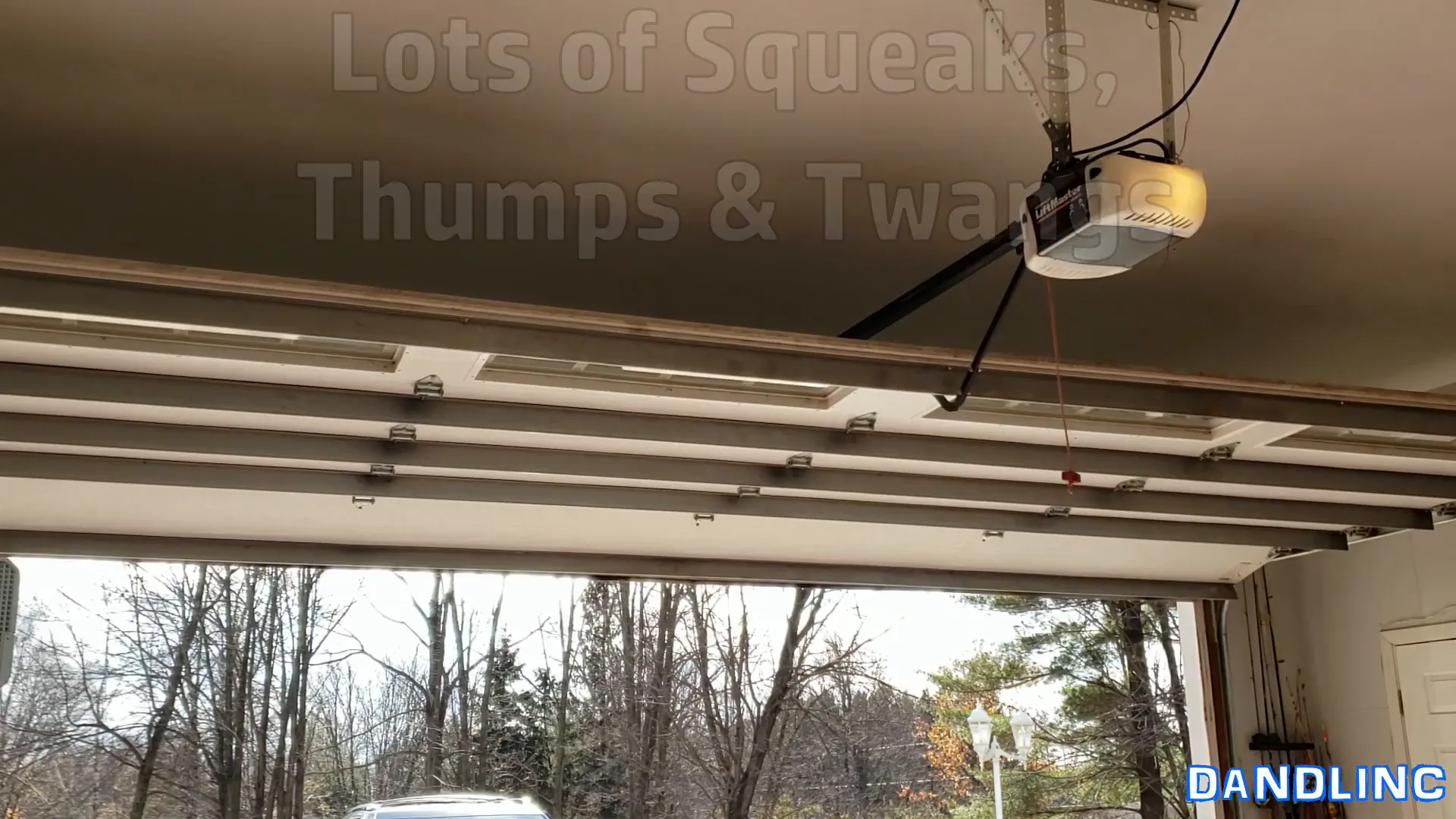
Conducting a sound check before and after lubricating your garage door can help you gauge the effectiveness of your maintenance efforts. Start by opening and closing the door while paying attention to any squeaks, thumps, or resistance. This will establish a baseline for the noise level.
After completing the lubrication process, perform the same sound check. You should notice a significant reduction in noise, indicating that the lubricants have penetrated the necessary components and improved the door’s operation.
Lubricating the Door Hinges
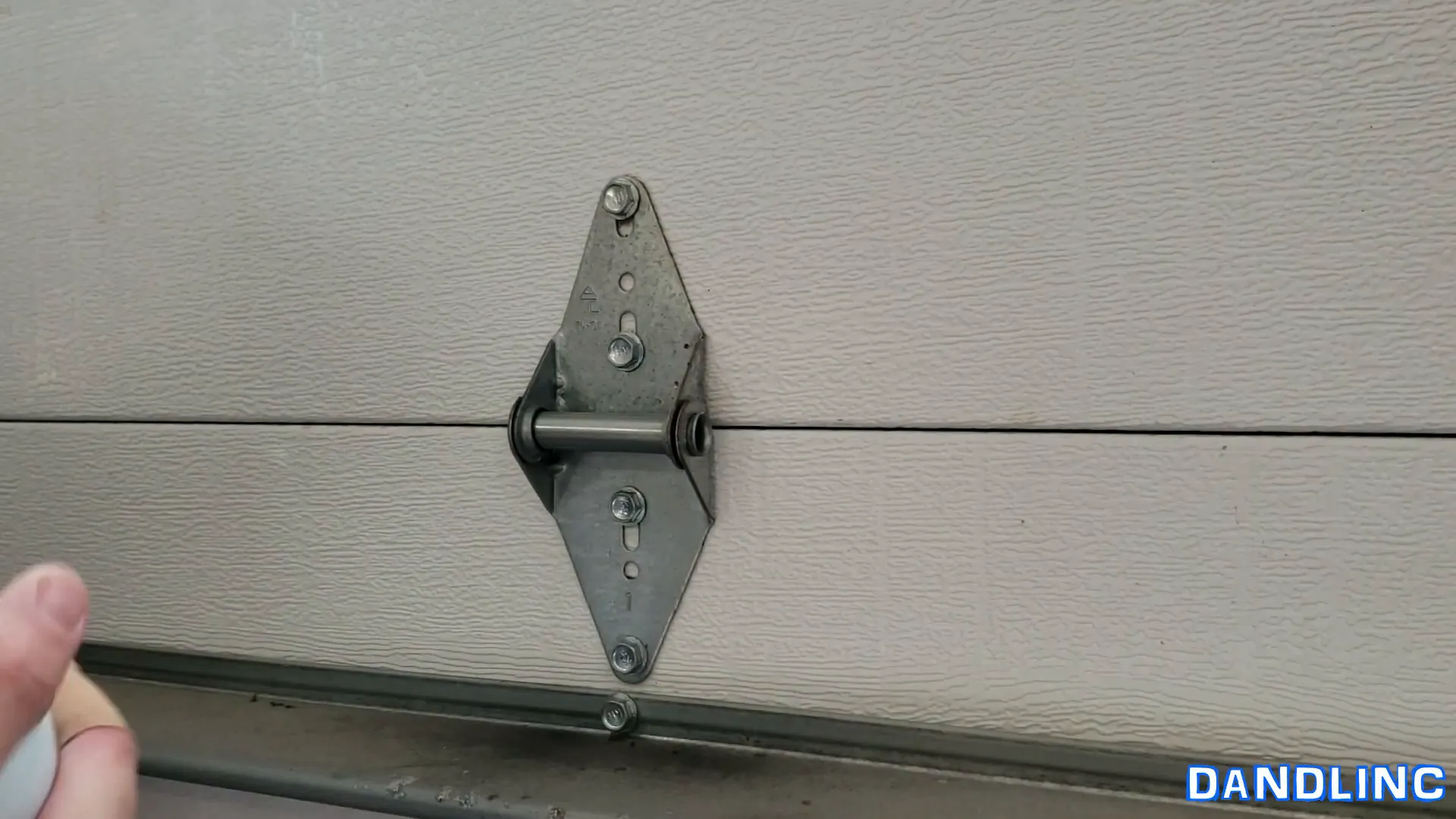
The hinges of your garage door are vital for its smooth operation. These components are prone to wear and tear due to the constant motion of the door. To lubricate the hinges effectively, follow these steps:
- Identify all hinge points on the door.
- Using your silicone-based lubricant, spray each hinge thoroughly.
- Wipe away any excess lubricant with a shop rag to prevent dirt accumulation.
Properly lubricating the door hinges will minimize friction and noise, allowing for a quieter operation.
Cleaning and Lubricating the Rollers
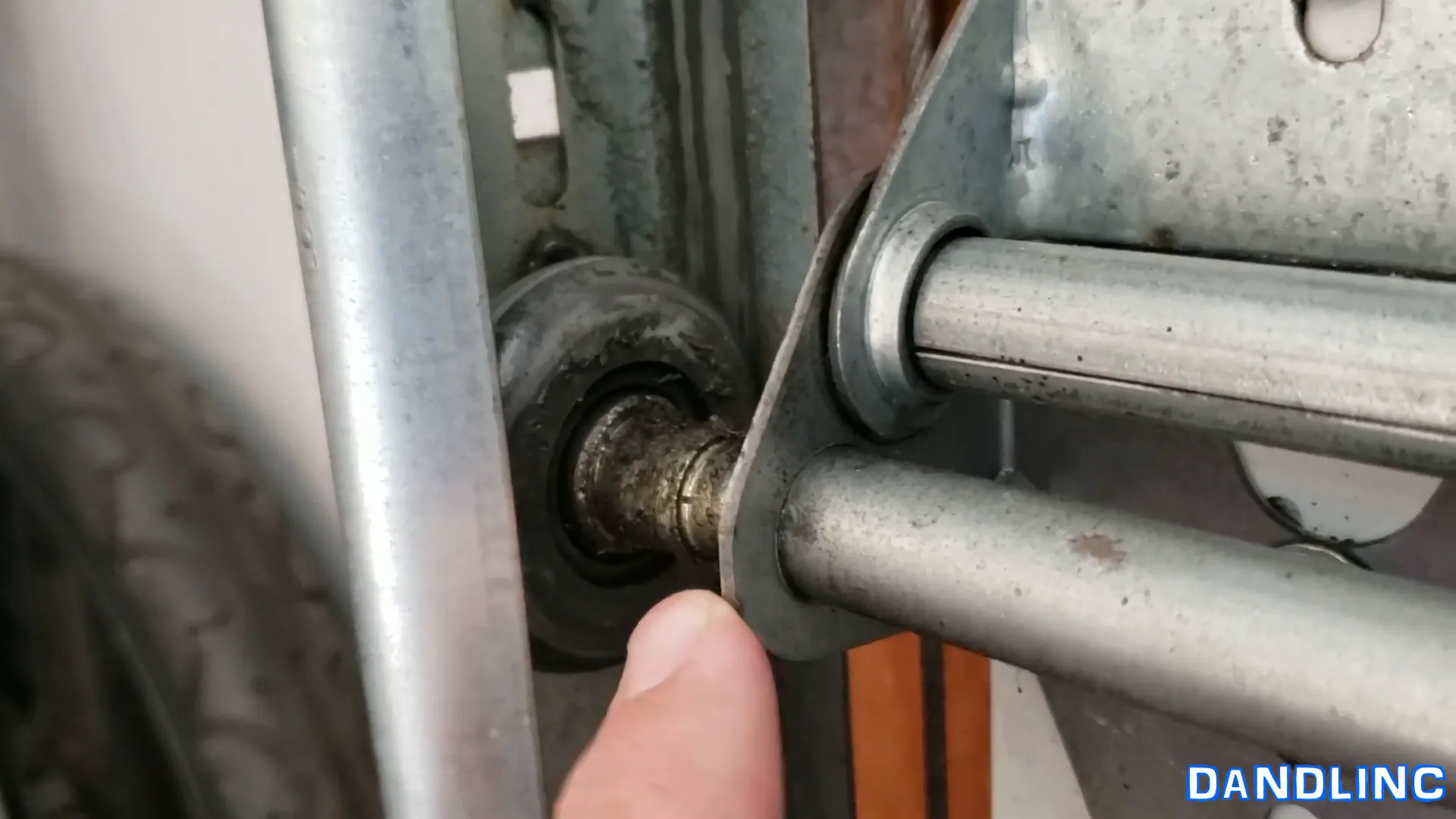
Rollers play a significant role in guiding the door along its track. Over time, they can accumulate dirt and grime, which can hinder their performance. Cleaning and lubricating the rollers is essential for optimal door operation.
- Begin by inspecting each roller for dirt and debris.
- Using a cloth, wipe down the rollers to remove any buildup.
- Once cleaned, apply silicone lubricant to the bearings of each roller.
- Ensure to lubricate the metal-on-metal contact points for optimal performance.
Regular maintenance of the rollers will enhance the garage door’s functionality and reduce noise significantly.
Greasing the Pulleys
Pulleys are crucial components of your garage door system, allowing for smooth operation as the door opens and closes. To ensure they function effectively, apply lubricant to the pulleys where metal meets metal.
- Locate the pulleys at the top of the door, near the torsion springs.
- Using a silicone-based lubricant, spray the bearing area of each pulley.
- Wipe away any excess lubricant to prevent dirt buildup.
Regular lubrication of the pulleys will help reduce noise and wear, ensuring that your garage door operates quietly and efficiently.
Applying Lubricant to the Torsion Springs
Torsion springs are essential for raising and lowering the garage door. Over time, these springs can rust or become noisy due to metal-on-metal contact. Here’s how to apply lubricant effectively:
- Position a ladder beneath the torsion springs for easy access.
- Using a silicone garage door lubricant, spray a light coating along the length of each spring.
- Ensure to cover all areas, wiping any excess with a rag to avoid overspray on surrounding surfaces.
This maintenance step not only minimizes noise but also extends the life of the springs, preventing premature wear and tear.
Maintaining the Garage Door Rail
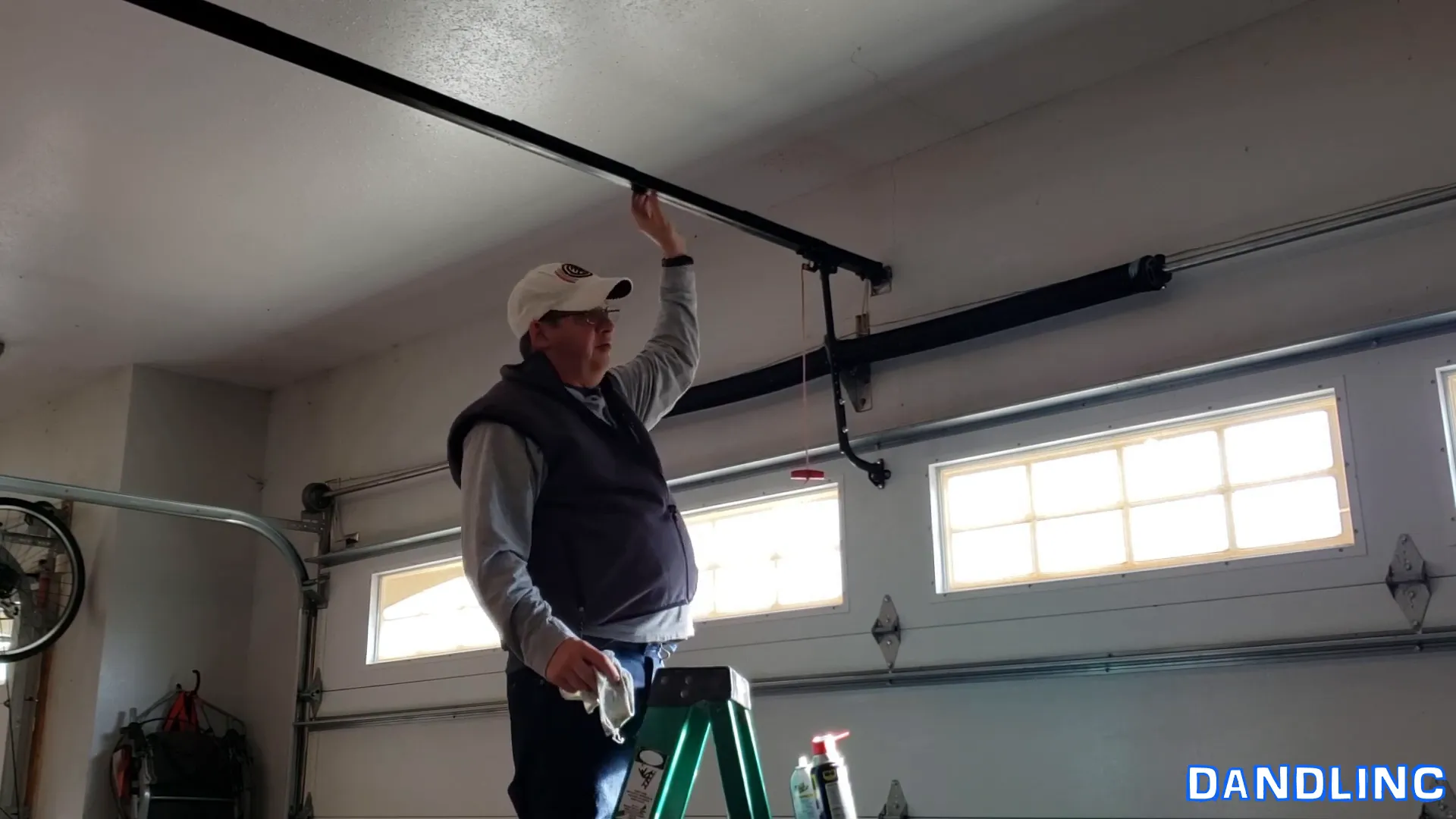
The garage door rail is where the door’s trolley travels. Keeping this area clean and lubricated is vital for smooth operation. Here’s how to maintain it:
- Inspect the rail for any dirt or debris that may have accumulated.
- Using a cloth, wipe down the top of the rail to remove any buildup.
- Apply silicone lubricant along the top of the rail, where the trolley makes contact.
By maintaining the rail, you ensure that the garage door moves smoothly, reducing operational noise and wear on the system.
Final Touches and Testing the Garage Door
Once all components have been lubricated, it’s time for the final touches. Check all areas to ensure no excess lubricant is present, which could attract dirt. After that, conduct a test:
- Open and close the garage door a few times to allow the lubricants to distribute evenly.
- Listen for any residual noises that may indicate areas that need more attention.
- Repeat the lubrication process on any areas that still produce noise.
This testing phase is critical to confirm that your efforts have successfully quieted down the garage door.
Conclusion and Benefits of Regular Maintenance
Regular maintenance of your garage door, including lubricating noisy components, is essential for its longevity and performance. By following these steps, you not only ensure a quieter operation but also reduce the risk of costly repairs in the future.
Benefits of regular garage door maintenance include:
- Extended Lifespan: Proper lubrication can significantly extend the life of your garage door components.
- Improved Safety: A well-maintained door operates smoothly, reducing the risk of accidents.
- Cost Efficiency: Preventative maintenance is often less expensive than repairs caused by neglect.
Investing a little time in maintaining your garage door pays off in the long run.
Frequently Asked Questions
How often should I lubricate my garage door?
It’s recommended to lubricate your garage door every six months to keep it running smoothly. However, if you notice increased noise or resistance, check and lubricate more frequently.
Can I use any type of lubricant on my garage door?
Avoid using WD-40 as a primary lubricant, as it is mainly a degreaser. Instead, opt for silicone-based lubricants for the best results.
What if my garage door continues to make noise after lubrication?
If noise persists, inspect for any damaged components or consult a professional for further evaluation. Some issues may require replacement parts rather than lubrication.